That Random Thing You Threw in Your Cart? It Might Be Your New Favorite Item
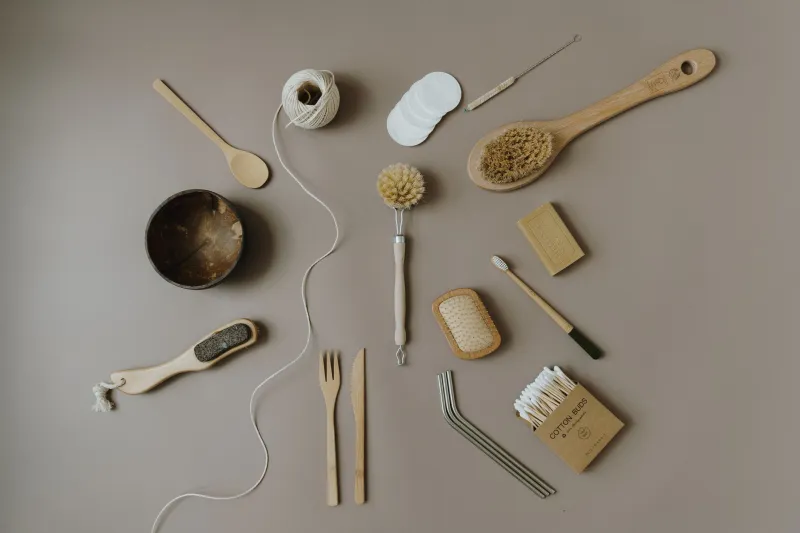
The Purchase You Didn't Plan For
There's a very specific kind of satisfaction that comes from realizing you use something every day that you barely remember buying. Not the standing desk you researched for six weeks. Not the blender you read forty-seven reviews for. The little silicone jar opener you grabbed at the last second because it was $4 and why not. That one.
If you've been shopping online for any stretch of time, you probably have a version of this story. Some random item made it into your cart during a late-night scroll session, arrived in a nondescript poly mailer, and quietly became indispensable. Meanwhile, the thing you spent three hours comparing on Reddit is collecting dust in a closet.
So what's actually going on here?
Your Gut Has Data Your Brain Doesn't
Psychologists who study consumer behavior have a term for the gap between what we think we need and what we actually use: the intention-behavior gap. Basically, we're not great at predicting our own habits. We buy things for the person we imagine ourselves to be — the organized meal-prepper, the dedicated journaler, the person who works out at 6 a.m. — rather than the person we are at 9 p.m. on a Tuesday.
Impulse buys, weirdly enough, sometimes sidestep that trap entirely. When you grab something without overthinking it, you're often responding to a real, present-tense need rather than a future-tense aspiration. You're not buying it for the idealized version of your life. You're buying it because something in your brain went, yeah, that would actually be useful right now.
That instinct? It's drawing on lived experience — the friction you feel every morning hunting for a decent hair clip, the mild annoyance of never having a pen within reach, the specific inconvenience you've quietly tolerated for months. Your gut has been paying attention even when your conscious mind hasn't.
The Accidental Collection
Ask around and you'll find that almost everyone has built what you might call an accidental collection — a loose assortment of impulse purchases that quietly evolved into a personal toolkit for daily life.
One shopper in Chicago described buying a cheap cable organizer on a whim during a tech accessories sale. She didn't have a particular problem she was solving. She just thought it looked kind of cool. Three years later, it's still on her desk and she's bought four more as gifts. "I didn't even know I was annoyed by cable chaos until I wasn't annoyed by it anymore," she said.
Another guy from Austin mentioned a small, foldable cutting board he added to a kitchen order to hit a free shipping threshold. He already had two full-sized cutting boards. He now uses the little one every single day and the big ones maybe twice a month.
These aren't flukes. They're patterns.
Why Over-Researched Purchases Sometimes Underperform
Here's the slightly uncomfortable flip side: the more effort we put into a purchase decision, the more pressure we put on that item to deliver. When you've spent two weeks reading reviews, watching YouTube comparisons, and cross-referencing Reddit threads, you've basically set the product up to disappoint you. You've inflated its importance. You've made it load-bearing.
Impulse buys carry none of that weight. They arrive with zero expectations, which means any usefulness they provide feels like a bonus. That's not just psychology spin — it genuinely affects how we perceive and interact with the things we own. Low expectations are, in this specific context, a feature.
There's also something to be said for the simplicity of a low-stakes decision. When a product only costs a few dollars and you didn't agonize over it, you're more likely to actually use it without fear of "wasting" it or doing it wrong. Expensive, heavily researched items sometimes get treated too carefully to be useful.
The Products That Keep Showing Up
If you start paying attention to your own accidental collection, a few categories tend to dominate. Small organizational tools — things like drawer dividers, adhesive hooks, cord clips — show up constantly. So do kitchen gadgets that solve friction you didn't realize existed: a good bench scraper, a magnetic timer, a better peeler. Comfort and personal care items are another big one, especially anything that makes a routine slightly less annoying.
What these categories share is that they reduce everyday friction. They don't transform your life; they just smooth it out a little. And because daily friction is so low-level and constant, we often don't notice it consciously — which means we don't think to research solutions for it. The impulse buy slips past our filters and addresses the problem directly.
What Your Impulse Buys Are Actually Telling You
Pay attention to the things you grabbed without much thought and ended up loving. They're a pretty honest map of how you actually live.
If you keep reaching for that compact umbrella you bought on a whim, maybe you're someone who moves around a lot more than you account for when shopping intentionally. If that cheap lap desk became your most-used item, maybe you work from the couch more than you'd admit when buying office furniture. If a random sleep mask has become non-negotiable, that's your actual sleep life talking, not the one where you go to bed at 10 p.m. with a book.
The accidental collection isn't just a fun quirk of shopping behavior. It's a pretty accurate portrait of your real routines, habits, and daily needs — one you built without trying.
Let Yourself Browse Without a Plan
None of this is an argument for reckless spending or filling your cart with junk. But it is a case for giving yourself permission to shop a little loosely sometimes. Browse without a mission. Add something weird and cheap just to see. Let a random category page take you somewhere unexpected.
At ShopSpark, half the fun is the discovery — stumbling onto something you didn't know existed and thinking, huh, actually yeah. That feeling is worth following occasionally. Your future self, reaching for that thing every single morning, will probably thank you.