More Reviews, More Problems: How Over-Researching Your Purchases Is Making You Miserable

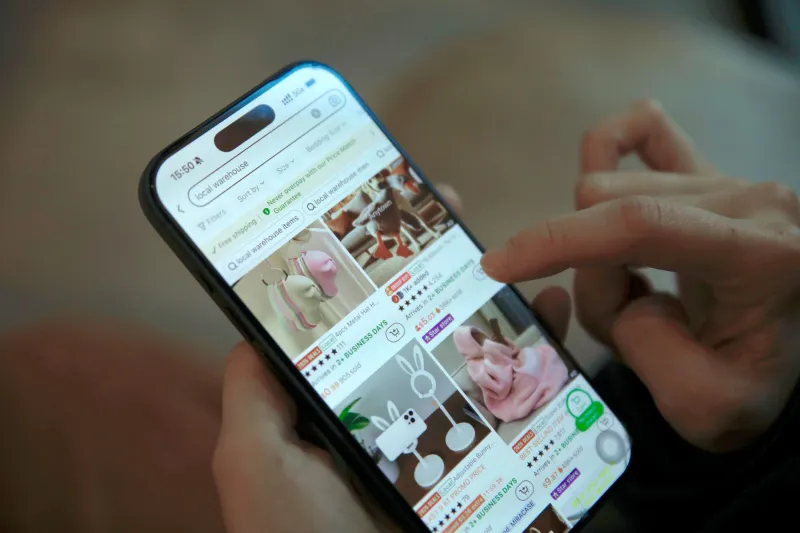
It starts innocently enough. You find a product you like, maybe a new blender or a pair of running shoes, and you think, let me just check the reviews real quick. Forty-five minutes later, you've read through star ratings on three different platforms, watched an unboxing video from a guy in Ohio, and opened a Reddit thread from 2021 that somehow made you more confused than when you started. The blender is still in your cart. You are not okay.
Welcome to the comparison trap — and honestly, most of us are living in it.
The Point Where Research Stops Helping
Here's the thing nobody tells you: there's a ceiling on how useful product research actually is. Up to a point, reading reviews genuinely helps. You learn about sizing quirks, durability issues, whether that water bottle actually leaks. Solid intel. But somewhere around review number twelve — maybe fifteen if you're generous — you hit a wall of diminishing returns.
After that, you're not gathering new information. You're just encountering more opinions, and opinions, as it turns out, are wildly contradictory. One person says the jacket runs small. Another says it fits perfectly. Someone gives it one star because shipping took too long, which tells you absolutely nothing about the jacket. You start averaging out human experience like it's a math problem, and it's exhausting.
Psychologists call this decision fatigue — the mental drain that comes from processing too many choices or too much information before making a call. The more data you shovel into your brain, the harder it becomes to actually decide anything. Your confidence doesn't grow with every new review you read. It shrinks.
Why Your Brain Keeps Scrolling Anyway
So if more research makes us worse at deciding, why do we keep doing it? A couple of reasons, and they're both pretty human.
First, there's the illusion of control. Reading one more review feels like due diligence. It feels responsible. We tell ourselves we're being careful, not anxious. But often we're just delaying a decision we're already capable of making, because making the wrong choice feels scarier than making no choice at all.
Second — and this one's sneaky — we're often not actually looking for more information. We're looking for permission. We already know we want the thing. We're just hoping some stranger on the internet will say "yes, buy it, you deserve it" loudly enough that we finally believe it.
The trap is that the internet will never give you that certainty. For every glowing five-star review, there's a two-star one waiting two scrolls down to ruin your confidence all over again.
The Real Cost of the Comparison Spiral
Beyond the time you lose (and it adds up — studies suggest Americans spend an average of 79 days a year on their phones, and a chunk of that is definitely review-reading), there's an emotional cost that doesn't get talked about enough.
Over-researching makes shopping feel like work. It turns something that should be low-stakes and even fun into a high-pressure performance review where you're the one being evaluated. Did you do enough homework? Did you miss a better deal? What if someone on a forum knew something you didn't?
That anxiety doesn't disappear after you finally buy something, either. It often follows you into the post-purchase phase, morphing into buyer's remorse or a constant low-level worry that you made the wrong call. You bought the blender, but are you sure you bought the right blender?
Spoiler: the blender is probably fine.
How to Know When You've Researched Enough
There's no magic number, but here are a few practical gut-checks that actually work:
The 10-review rule. For most everyday purchases — clothes, kitchen gadgets, home goods — ten reviews is genuinely enough. Read the most helpful positive review and the most helpful critical one. That contrast will tell you more than forty more opinions ever will.
Look for pattern, not outliers. One person saying the product broke in a week is an outlier. Ten people saying the same thing is a pattern. Train yourself to spot the difference and stop letting the outliers hijack your decision.
Set a time limit. Give yourself ten minutes of research per purchase under $100. If you can't make a call in that window, close the tab and come back tomorrow with fresh eyes. Urgency is the enemy of good decisions, but so is endless deliberation.
Ask yourself what you're actually afraid of. Sometimes the research spiral is really just anxiety in disguise. If you catch yourself reading review number thirty, pause and ask: what am I worried about here? The answer is usually something you already know how to handle — like a return policy.
Shopping With Confidence Instead of Certainty
Here's the mindset shift that actually helps: stop chasing certainty and start building confidence instead.
Certainty doesn't exist in shopping. You cannot know for sure that something will be perfect before you try it. But confidence? That's absolutely achievable. Confidence comes from trusting your own judgment, understanding a product's return policy, and accepting that occasionally something won't work out — and that's fine, because that's what returns are for.
At ShopSpark, we're big believers in making shopping feel like something you actually enjoy rather than a homework assignment. That means giving yourself permission to trust your gut after reasonable research, knowing that most purchases are recoverable if they don't pan out, and recognizing that the joy of discovery is part of the whole experience.
The best purchase isn't always the most-researched one. Sometimes it's the one you made with a clear head, a fair amount of information, and enough self-trust to just go for it.
Put Down the Review Tab
Next time you catch yourself deep in a comparison spiral — seventeen tabs open, cross-referencing Reddit threads from three years ago — take a breath. You probably already know enough. You probably already know what you want.
The reviews will still be there tomorrow. But so will the version of you who bought the thing, loved it, and moved on with their life instead of spending another hour reading about it.
That version sounds a lot more fun. Go be that person.